




01
No Central Digital Information Hub
Prospective customers and partners lacked an official reference to understand services, coverage, rates, and collaboration opportunities.
A digital ecosystem for BisaXirim's delivery services combining a public website and Android/iOS app. Users can learn about services, check shipping rates, track parcels, find drop points, and access delivery information through more independent digital channels.
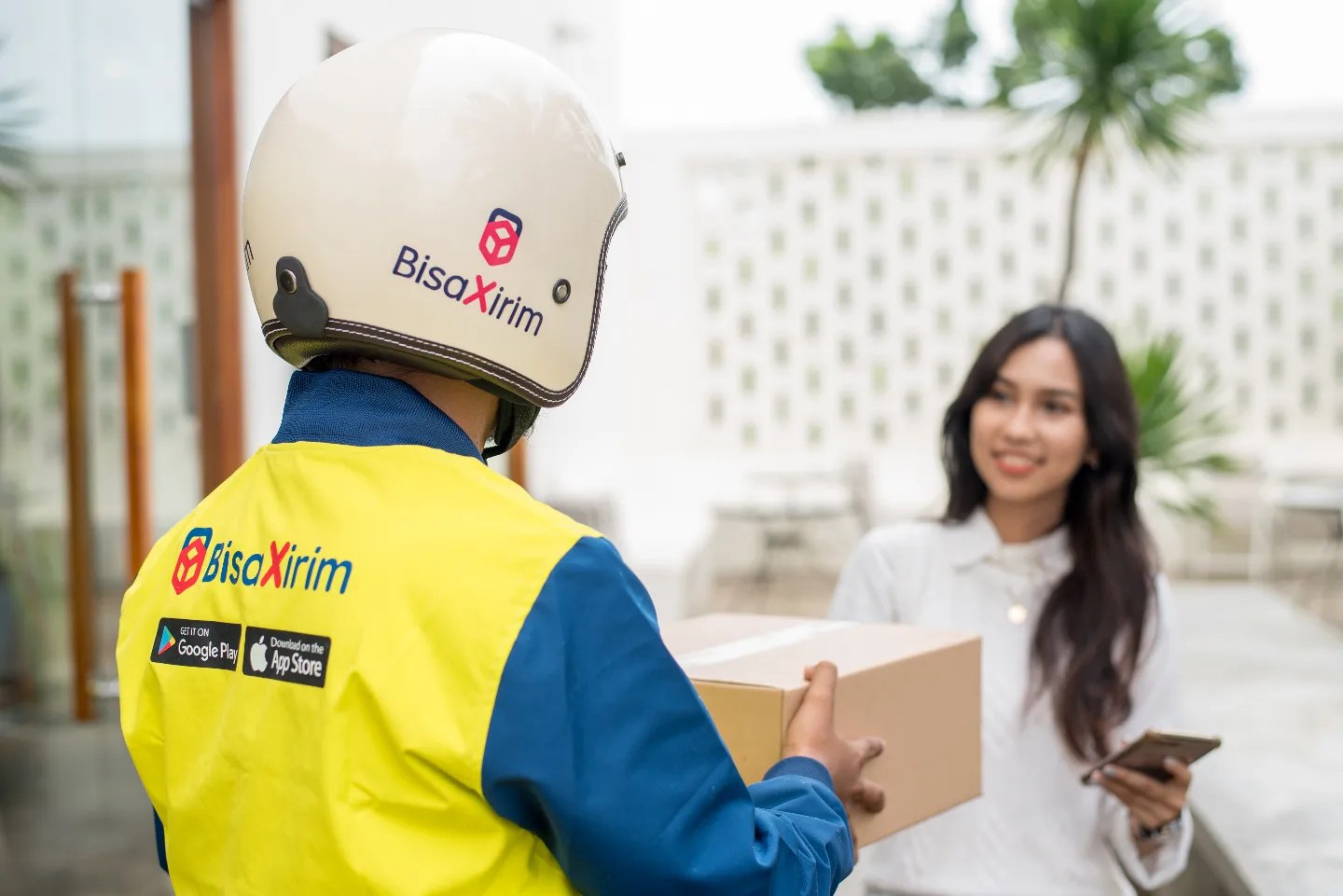
BisaXirim is a logistics & delivery service serving delivery needs across Indonesia. As operations grew, its digital needs expanded beyond just an information channel to also become a self-service channel for customers and an entry point for prospective partners.
BisaXirim already had active delivery operations but lacked sufficient digital channels to explain services, help customers check shipments independently, and open partner access without being fully dependent on customer support.
Prospective customers and partners lacked an official reference to understand services, coverage, rates, and collaboration opportunities.
Customers needed to contact the team manually to check parcel status with no 24/7 self-service tracking available.
Rate information based on weight, origin, destination, and service type was not directly accessible to customers.
Tracking, rates, promotions, drop points, and delivery history were not available in an app accessible anytime.
Solunesia built the public website and mobile app as two channels with distinct roles. The website serves as the information hub, service directory, tracking, and partner onboarding, while the app provides more convenient access for everyday delivery needs.
Information needed before using the service is placed on the website. For users who need repeated access, tracking, rates, promotions, drop point locations, and delivery history are brought to the Android and iOS app.
Services, coverage, rates, articles, tracking, and partnership information on one public portal.
Users can enter a tracking number and view delivery status without contacting support.
Service access is brought closer to users through a mobile app on both major platforms.
Prospective partners can learn about collaboration opportunities and submit applications through digital channels.
The website serves as the public entry point to learn about services while also resolving basic needs like parcel tracking, rate checking, and partnership registration.
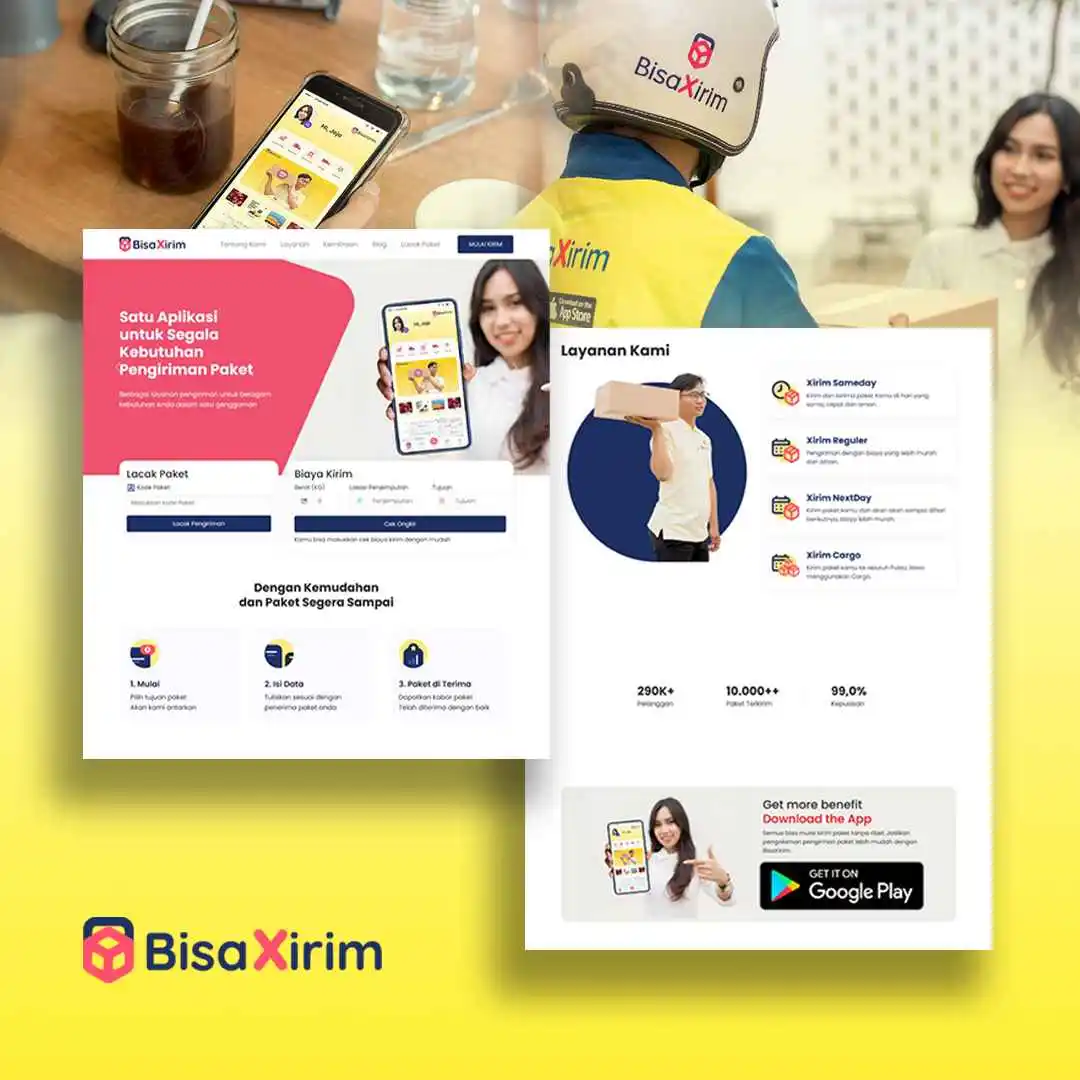
The public portal is not just a company profile. Its content structure helps users understand four delivery service types, estimate shipping rates based on weight and route, check parcel status, and find information about becoming a partner.
The Android and iOS app brings the most frequently used features to smartphones, so users do not need to go back to manual channels to check rates, delivery status, or drop point locations.
Users can create an account using a WhatsApp number or Google account.
Parcel status can be monitored from pickup through to delivery.
Rate information per location and service type is available alongside ongoing promotions.
Users can find nearby drop points based on location and view delivery history from the app.
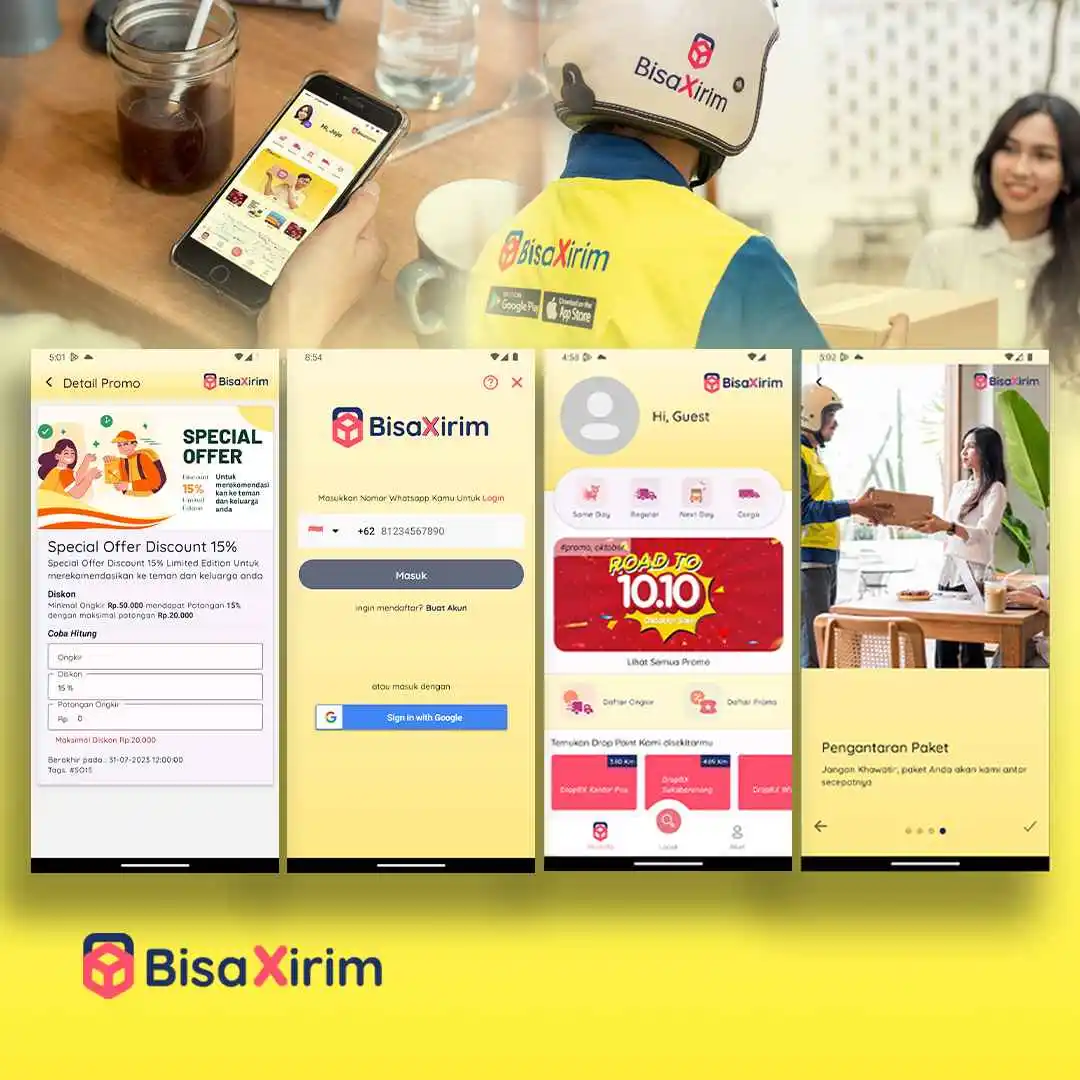
The digital experience is designed so customers can find information, estimate costs, track parcels, and return to use the service from the same channel.
View service types and delivery coverage.
Estimate shipping costs based on route and weight.
Monitor parcel movement via tracking number.
Use the app for history, rates, and drop points.
The website and app form a clearer digital service touchpoint for customers and partners. Information previously dependent on manual communication is now directly accessible through both web and mobile devices.
The website serves public needs while the app supports repeated usage via smartphone.
Customers can check parcel status without always depending on customer support.
The platform supports a base of over 290.000 users across web, Android, and iOS.
Partnership information and registration forms are available directly through the public portal.
Start with the customer flow, tracking, rates, partners, app, and processes still dependent on manual communication.
We help determine the roles of website, mobile app, backend, integrations, and self-service features needed.
Once the flow is clear, features, integrations, and implementation phases can be structured by operational priority.